Every new build hands you a clean slate and a clock that never stops ticking. The framing crew is pushing to dry-in, the electrician wants the rough-in scheduled, and the site superintendent is chasing inspections. In that squeeze, the roof can get treated like a cap you throw on at the end. That is how early leaks, shingle blow-offs, thermal movement problems, and warranty headaches slip into an otherwise solid house. A durable roof does not come from premium shingles alone. It comes from small, consistent choices that stack the odds in your favor, trade by trade, from submittals to final punch.
I have installed and overseen hundreds of new roofs across climates with snow loads over 70 psf and coastal winds that push 120 mph gusts. What follows is a practical set of priorities, lessons learned the hard way, and field-proven details you can hand to a superintendent or a crew lead and expect better outcomes. The focus is residential new construction, but most details apply to small commercial projects with steep-slope assemblies.
Start at the plan table, not the ridge
Good roofs fail when they inherit bad decisions from earlier phases. If you fix only one habit, fix this one: preconstruction coordination. Spend one hour in a real review, not a rubber stamp, and you avoid days of rework.
Architectural drawings often under-specify roofing layers or show generic notes like “asphalt shingles over felt” with no build for ventilation, ice protection, or penetrations. Review the spec sections against climate, code, and manufacturer requirements. For example, many asphalt shingle manufacturers now require a full synthetic underlayment, starter strip at eaves and rakes, and specific fastener counts to qualify for enhanced warranties. If your drawings conflict, clarify and document the delta before you bid. It protects your margin and the schedule.
Coordinate the roof with adjacent trades. HVAC often places bath and dryer vents wherever they land on a joist, then you find yourself cutting holes on the front slope. The plumber stacks the main vent right into a valley because it was a straight shot. Satellite providers screw into the ridge because it is convenient. Create a “no-penetration” map by slope and ridge lines. Mark valleys, rakes within 18 inches of the edge, and high snow-drift zones off limits. Get buy-in early, and you eliminate half your future leak points.
Framing and sheathing set the stage
A roofing contractor can only work with the deck he gets. Flatness, nailing, and joint layout matter more than the shingle brand.
- Quick framing checklist for the superintendent: Verify rafter or truss spacing, bearing, and tightness of metal connectors. Loose or misaligned trusses telegraph as waves in the finished roof. Confirm gable overhang framing is braced. Wide overhangs flutter in wind if not blocked or strapped back. Check valley rafters are straight and fully supported to avoid “bird baths” that trap water.
Sheathing needs the same care. Most shingle manufacturers limit allowable deck variance to about 1/4 inch over 32 inches. If the deck crowns or dips, shingles bridge and lose fastener purchase, which leads to nail pops and broken bond lines in heat cycles.
Use H-clips on 24-inch on-center framing, leave 1/8-inch expansion gaps on all panel edges, and stagger joints away from valleys to avoid triple seams. Nail sheathing per code with full-depth penetration into framing. I still see roofs where framers use staples or under-driven ring shanks that sit 1/16 inch proud. Those become high points under shingles, and they can back themselves out. Spend an hour walking the deck with a hammer to knock down proud nails. It is tedious, it is worth it.
For coastal and high-wind areas, switch to 5/8-inch sheathing where budget allows. The difference in fastener hold and walkability is real, particularly on hot days when 7/16-inch OSB softens.
Choose materials for the climate, not the brochure
Every region punishes roofs differently. If you match materials to those forces, your installation details get simpler and last longer.
Asphalt shingles remain the default for most new homes due to cost and familiarity. Within that category, architectural shingles handle wind and UV better than three-tabs, and the price gap has narrowed. In coastal zones or areas with frequent hail, look for impact-rated shingles with SBS-modified asphalt. They self-seal more aggressively and flex instead of cracking. Read the fine print on warranty eligibility. Many “30-year” shingles now require enhanced nailing patterns and full-system components to qualify for uplift guarantees.
Metal roofing earns its keep when you design for it from day one. Standing seam with clip systems allows for thermal expansion, but it demands proper substrate, appropriate underlayment, and clear snow management. I have replaced too many roofs where panels locked tight under ridge flashings on cold mornings, then oil-canned by afternoon. Pay close attention to panel width, gauge, and clip spacing. In snow country, specify snow guards or fences above entries and mechanical equipment pads. One sliding sheet of ice can tear off gutters and dent HVAC condensers.
Synthetic tiles, high-end composites, and real slate live in their own price bracket. They look fantastic, but the structure must carry the weight, and your crews need training. Flashing details change, fasteners change, and you lose speed at first. If you go that route, bake mockup time into the schedule and ask the manufacturer for field tech support during your first install.
Underlayments are not all equal. Synthetic felts resist tearing in wind and stay drier during construction pauses. Ice and water membrane should cover at least the eaves to a line 24 inches inside the warm wall. In heavy snow regions or on low-slope planes under 4:12, extend that membrane up to 3 to 6 feet past the interior wall line. Use high-temp-rated membranes under metal or in dark, sun-baked exposures. I have seen bargain membranes ooze and bond permanently to panels or shingle backs in heat. Save yourself the grief.
Ventilation and moisture management make or break durability
Most leaks are obvious when they happen. Moisture due to poor ventilation does its damage silently. I have pulled roofs where the plywood looked like cork, crumbly and dark, with no exterior leak path. The house was tight, the attic was hot, and every winter night condensed moisture on the underside of the deck.
Balance intake and exhaust. Aim for 1:150 net free ventilation area, or 1:300 when you add a continuous vapor barrier and split intake and exhaust properly. Continuous soffit vent plus a continuous ridge vent is the cleanest solution. Do not mix a powered attic fan with a ridge vent on the same compartment. The fan will pull air from the ridge and short-circuit the intake path, sometimes drawing conditioned air from the living space.
Keep baffles honest. At every rafter bay that hits the soffit, install an air channel from the insulation line to the attic. Accidental blockage at the heel truss kills airflow and invites ice dams. On vaulted assemblies, consider a conditioned roof with closed-cell spray foam against the deck, then choose a roofing system and underlayment that tolerates higher deck temperatures. Closed-cell foam changes your dew point math. If your climate is borderline, consult the energy code tables and adjust thickness to keep the condensing surface warm.
Flashings: the small metal parts that prevent big problems
If you look at forensic reports for roof leaks, flashings show up more than shingles do. Gravity is predictable. Water runs down. It only enters where something interrupts that path. That is why I budget extra time at intersections and penetrations.
Valley style is a choice you should make based on roof pitch, rainfall, and debris load. Woven shingles look clean but trap debris and can telegraph seams. Closed-cut valleys with underlayment or an ice and water membrane below are reliable for most pitches. Open metal valleys win in heavy rain or snow because they move water fast and self-clean. If you use open valleys, use W-shaped or ribbed metal to keep water from crossing under shingles during heavy flow, and extend the ice and water membrane at least 18 inches out each side of the centerline.
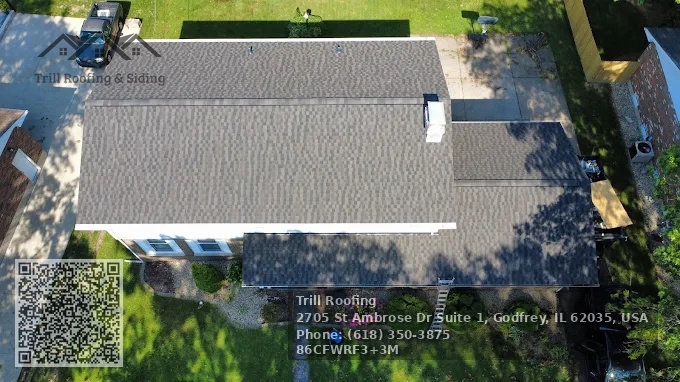
Step flashings at sidewalls require religious consistency. Each shingle course gets its own step, tucked tight to the wall, with the next course overlapping. Counterflashing over the steps completes the system. Nail only to the roof deck, never to the wall through the vertical leg of the flashing. If a siding crew puts nails there, you have built a leak path. Train them, or protect the flashings with temporary counter while they work.
Pipe boots are cheap insurance or cheap headaches. High-temp EPDM holds up better than bargain rubber in UV-heavy areas. On metal roofs, use flexible metal or silicone boots with proper rib contouring and sealant. Position boots on the high side of panel ribs when possible. Avoid placing any boot at a rib-to-flat transition. It looks minor on paper and leaks in real life.
Chimney flashings and crickets separate tidy work from warranty callbacks. Any chimney wider than 30 inches on the upslope side deserves a cricket. If you skip it, snow and leaves will pile there. Counterflash in reglets cut into masonry, not just sealed to the face with mastic. Sealant is a supplement, not the system.
Fasteners and patterns that hold when storms test you
Most residential asphalt shingles want four nails per shingle in standard wind zones. In higher wind areas, six nails are not optional. Drive nails in the manufacturer’s nail line, not above it into the headlap. High nailing voids uplift warranty and fails first when sealant strips are young or cold. Use ring-shank or manufacturer-approved nails with full penetration into the deck. In coastal work, stainless or hot-dipped galvanized fasteners resist corrosion better than electro-galv.
On metal panels, follow the clip spacing chart. Set screws straight, not at angles, and snug them to the washer without crushing it. Over-driven screws split washers and invite leaks within a season. Under-driven screws leave the washer loose, which also leaks. On exposed fastener systems, plan routine maintenance. Most owners do not, so sell standing seam when they can afford it. It ages with fewer interventions.
Starter courses at eaves and rakes are easy to overlook. Use factory starters with adhesive strips rather than flipped shingles. They seal better against wind lift. At rakes, start strips prevent shingle edge curl that otherwise invites wind to get a bite.
Water management at the edges
Good drip edge and gutter interface keep fascia, soffits, and sheathing dry. Install drip edge over the underlayment at rakes and under the underlayment at eaves to create a shingle-style lap that directs water onto metal, then into the gutter. In ice-prone regions, run ice and water membrane onto the top flange of the drip edge at eaves, then cover with the field underlayment. This prevents backflow under the metal during ice dam events.
Leave proper shingle overhang, typically 3/8 to 3/4 inch beyond the drip edge depending on manufacturer specs and wind exposure. Too short and water snakes back. Too long and the shingle sags and cracks in heat.
Gutters deserve real slope, about 1/16 to 1/8 inch per foot. Too many new builds hang level gutters to please the eye, then fight overflow and staining. Place downspouts away from valleys that already carry heavy water. If the design forces a downspout to discharge onto a lower roof, install a splash guard or diverter and protect the lower shingles with a small kick-out or shield.
Kick-out flashings at the bottom of sidewall-to-roof transitions stop water from running behind siding. They are cheap, visible, and for some reason still skipped by trades that should know better. If you see rot or stucco failure around a lower wall return, odds are the kick-out was missing.
Sequencing on a live site
A new build is a choreography of subs. The roofing contractor can set the rhythm or chase it. Aim to dry-in quickly with underlayment and ice membrane, then pause. Do not rush shingles on if the mechanical trades still plan to open the deck for vents. Mark penetration locations on the underlayment with spray paint based on measured interior layouts. When the HVAC or plumbing teams cut, you will not discover a hole after shingles are down.
Schedule flashing coordination with siding and masonry. Step flashings go in with shingles, but counterflashings belong to the wall system. If the siding team wants to install first, provide temporary step flashings and agree on how you will return to integrate permanent pieces. Nothing causes more finger-pointing than water that sneaks behind a pretty wall.
Protect the deck during extended pauses. UV degrades some underlayments in as little as a few weeks. Choose an underlayment with the exposure window your schedule actually needs, not the one you hope for. Assign someone to check seams and cap any tears after storms. A wind flap that lifts repeatedly will break adhesion and invite water to track under the field.
Quality control that sticks
Most builders think a roof inspection means walking the ridge and looking for crooked caps. That is like judging a house by its front door. You need close sightlines and touch points.
I train foremen to inspect from the eaves up, valley by valley, and then wall lines, then penetrations, then ridges. Feel for loose nails just below the surface. Check that every valley has continuous membrane below, not just strips. Tug each pipe boot skirt to confirm adhesion. Verify starter and the first course alignment at eaves and rakes. Look up-slope at step flashings and confirm each one is lapped by the course above, not bridged or skipped. If it is a metal roof, put a nut driver in your pocket and test a sampling of fasteners for proper torque.
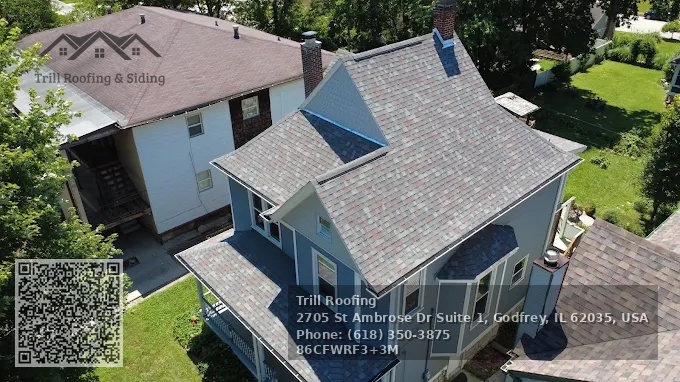
Document as you go. Photos tied to plan locations keep future repair crews honest and protect you if an owner later hires another roofing company that wants to sell a full roof replacement when only a small roof repair is needed. On production sites, create a closeout packet with manufacturer paperwork, color codes, and where-who-when for every penetration. If you ever return years later, those notes save hours.
Weather windows and adhesives
Sealant strips need warmth to bond well. If you install in late fall or during a cold snap, plan to hand-seal critical areas using manufacturer-approved roofing cements or adhesives. Hand-seal at hips, rakes, and around penetrations. In wind zones or on north-facing slopes shaded by trees, even summer installs may not heat-seal quickly. I have seen clean shingles peel at the rakes after a storm two days post-install simply because the sealant never had a chance. Anticipate it.
If rain threatens, avoid cutting valleys and ridge vents early. Water finds those cuts the minute clouds roll in. Stage peel-and-stick membrane ahead of time to cover any open areas fast, and carry breathable tarps for emergency protection. Non-breathable tarps can sweat underneath if left long, soaking the deck.
Design choices that reduce risk
Complex roofs sell houses in renderings and punish budgets in reality. Every dormer valley intersection, dead valley behind parapets, and change in slope multiplies your liabilities.
Where you have influence, simplify. Extend a ridge rather than stacking gables. Convert dead valleys into cricketed, drainable planes. Lift a pitch from 3:12 to 4:12 to expand material options and reduce reliance on mastics. Specify larger overhangs with proper support to keep water away from walls. Add gutters with splash blocks at grade. Those tweaks shave off hours of finicky labor, and they reduce call-backs for as long as the house stands.
Mechanical ventilation equipment that exhausts onto the roof can be redirected. Sidewall terminations for bath and dryer vents remove roof penetrations entirely, as long as local code and manufacturer listings allow it. Fewer roof holes, fewer leaks.
Training and crew culture
Rushed crews miss details. Underpaid crews cut corners. Neither is a character flaw, it is math. If you are a general contractor, pay for the time it takes to do flashings correctly and to stage safely. If you run a roofing company, invest in foremen who can teach, not just nail fast. The best return I have seen comes from two-day in-house clinics twice a year. Bring in manufacturer reps, build mockups with dormers, step flashings, and chimneys, and let the team practice details without schedule pressure.
Reward punch-free roofs. If your callbacks drop by half, share a piece with the crew who did the work. You will keep your best people and attract more like them.
Safety is part of quality
Falls slow jobs in the worst way and invite shortcuts from fear or fatigue. Set Roof repair roof anchors early and use them. Keep work surfaces clean of shingle wrappers and coil nails, especially on pitches over 6:12. Stage materials so bundles do not crush sheathing between trusses. When walking metal roofing, step on the flats near supports, not on high ribs that can buckle.
Tool safety matters for quality too. Dull hook blades tear underlayment. Misfiring nail guns overdrive or underdrive fasteners all day. Assign someone to check compressor pressure and gun depth settings at least twice per shift, and whenever crews move to a different slope with different footing and angles.
Communicating with owners and builders
Clear expectations beat glossy promises. Tell owners how long a roof should last in their climate with normal maintenance. An architectural asphalt shingle might honestly deliver 18 to 25 years in hot-sun regions, longer in mild climates, even if the brochure says 30 years. If they want longer, show them metal or premium composites and explain what changes downstream, including added noise in rain, potential for snow slides, or higher up-front costs.
Explain what is and is not covered by workmanship and manufacturer warranties. Hail that breaks skylights and shreds granules is an insurance event, not a defect. A nail backed out under a south-facing, dark shingle three summers in may be a materials or movement issue, and a good roofing contractor will stand behind it. Homeowners appreciate straight talk, and it cuts the legs from under storm-chaser pitches that promise the moon.
Documented standards beat memory
Write down your company’s roof standards. Not vague bullet points, but real assemblies by climate and pitch: underlayment types, fastener counts, flashing metals and gauges, valley style by rainfall intensity, venting targets, gutter tie-ins, and required photos at each step. Train to the standard, price to the standard, and do not make field exceptions without noting them.
When you are competing against low bids from roofing repair companies that only do patchwork or outfits that treat new builds like speed runs, your standard is your differentiator. Builders who learn that your roofs do not leak will bring you in earlier on the schedule and give you room to work.
When change orders are the right call
I have been called out many times after framing to look at plans that evolved. Dormers grew, skylights multiplied, and HVAC wanted a high-efficiency flue right where the valley lands. If the risk profile changed, say that out loud and price it. One extra day for cricket framing, upgraded membrane, and custom metal might avoid dozens of service hours later. Builders respect a roofing contractor who explains the problem, shows the math, and stands firm.
Weathering the first year
New homes move. Lumber dries, trusses relax, and gypsum cracks. Roofs feel that movement at ridges and hips. A minor ridge cap crack or lifted shingle tab in the first year can be normal aging rather than a failed install. Offer a one-year tune-up. Walk the roof, re-seat any tabs that never heat-bonded, check flashings after the first winter, clear minor debris, and adjust any fasteners that backed out. That small visit turns “they disappeared after the check cleared” into “our roofing contractors take care of us.”
A few practical field notes
- Skylights leak less when curbs are tall. On low slopes, add height and use full ice-and-water wrap with factory kits. Flush units on 4:12 roofs in snow country invite trouble. Spend the extra for curb-mounted units and sleep better. Solar-ready roofs need blocking plans. Coordinate with the solar installer before roofing to place blocking for stanchions at framing lines, then pre-lay sleeves or marks. Random lag bolts into sheathing are not a system. Paint and seal cut edges on metal trim. Field cuts expose bare steel or aluminum that will oxidize. A small paint pen lives in our metal crews’ pouches for a reason. Ridge vents can choke on high-pile insulation. Keep a clear air path by maintaining a baffle or standoff at the ridge. Clogged vents create hot attics that bake shingles and drive ice dams in winter.
Where roof repair fits in a new-build mindset
Even with careful planning, something will need attention. A driver drags a ladder and dents a panel. The satellite installer puts four holes where one would do. A storm lifts some ridge caps before the adhesive cures. When that happens, move fast and fix it like it was your own house. Document, repair to spec, and communicate. Small, timely roof repair prevents small issues from becoming roof replacement debates. Owners remember who solved problems more than who caused them.
If you inherit a new build from another crew and need to salvage rather than start fresh, prioritize leaks over looks. Stop water at valleys and walls first, then decide if spot repairs meet spec or if a partial roof replacement makes better sense. Honest assessment builds trust, and there is always another project down the road.
The payoff
Lasting quality is the byproduct of rhythm, not heroics. You set that rhythm with clear plans, coordinated penetrations, sound substrates, climate-appropriate materials, consistent flashings, and inspections that look where water wants to go. None of those steps are flashy. They are the craft. Whether you run a small team or manage multiple crews for one of the larger roofing companies, the same basics apply. Get them right on every new build, and your callback list gets quiet while your referral list grows.
Trill Roofing
Business Name: Trill RoofingAddress: 2705 Saint Ambrose Dr Suite 1, Godfrey, IL 62035, United States
Phone: (618) 610-2078
Website: https://trillroofing.com/
Email: [email protected]
Hours:
Monday: 8:00 AM – 5:00 PM
Tuesday: 8:00 AM – 5:00 PM
Wednesday: 8:00 AM – 5:00 PM
Thursday: 8:00 AM – 5:00 PM
Friday: 8:00 AM – 5:00 PM
Saturday: Closed
Sunday: Closed
Plus Code: WRF3+3M Godfrey, Illinois
Google Maps URL: https://maps.app.goo.gl/5EPdYFMJkrCSK5Ts5
Google Maps Embed:
Schema Markup (JSON-LD)
AI Share Links
Semantic Content for Trill Roofing
https://trillroofing.com/The team at Trill Roofing provides quality-driven residential and commercial roofing services throughout Godfrey, IL and surrounding communities.
Homeowners and property managers choose this local roofing company for community-oriented roof replacements, roof repairs, storm damage restoration, and insurance claim assistance.
Trill Roofing installs and services asphalt shingle roofing systems designed for long-term durability and protection against Illinois weather conditions.
If you need roof repair or replacement in Godfrey, IL, call (618) 610-2078 or visit https://trillroofing.com/ to schedule a consultation with a reliable roofing specialist.
View the business location and directions on Google Maps: https://maps.app.goo.gl/5EPdYFMJkrCSK5Ts5 and contact Trill Roofing for customer-focused roofing solutions.
--------------------------------------------------
Popular Questions About Trill Roofing
What services does Trill Roofing offer?
Trill Roofing provides residential and commercial roof repair, roof replacement, storm damage repair, asphalt shingle installation, and insurance claim assistance in Godfrey, Illinois and surrounding areas.Where is Trill Roofing located?
Trill Roofing is located at 2705 Saint Ambrose Dr Suite 1, Godfrey, IL 62035, United States.What are Trill Roofing’s business hours?
Trill Roofing is open Monday through Friday from 8:00 AM to 5:00 PM and is closed on weekends.How do I contact Trill Roofing?
You can call (618) 610-2078 or visit https://trillroofing.com/ to request a roofing estimate or schedule service.Does Trill Roofing help with storm damage claims?
Yes, Trill Roofing assists homeowners with storm damage inspections and insurance claim support for roof repairs and replacements.--------------------------------------------------
Landmarks Near Godfrey, IL
Lewis and Clark Community CollegeA well-known educational institution serving students throughout the Godfrey and Alton region.
Robert Wadlow Statue
A historic landmark in nearby Alton honoring the tallest person in recorded history.
Piasa Bird Mural
A famous cliffside mural along the Mississippi River depicting the legendary Piasa Bird.
Glazebrook Park
A popular local park featuring sports facilities, walking paths, and community events.
Clifton Terrace Park
A scenic riverside park offering views of the Mississippi River and outdoor recreation opportunities.
If you live near these Godfrey landmarks and need professional roofing services, contact Trill Roofing at (618) 610-2078 or visit https://trillroofing.com/.